Intentional Culture Feed Plan
- Use algorithms as discovery tools, not as your only cultural editor.
- Build a mix of critics, newsletters, local events, libraries, friends, archives, and official sources.
- Schedule intentional sampling so your taste is not shaped only by what keeps you scrolling.
- Measure success by range, recall, and satisfaction, not by how many trending topics you can name.
To follow pop culture without letting the algorithm set your taste, build a deliberate mix of sources: human critics, newsletters, friends, libraries, official release calendars, local venues, and occasional algorithmic discovery. The goal is not to avoid platforms completely, but to stop treating their feeds as your only editor.
Step one: admit what algorithms are good at
Recommendation systems are good at giving you more of what you already signal. That can be useful when you want similar songs, clips, creators, shows, or memes. It becomes limiting when repetition feels like culture itself. A platform’s goal is usually engagement, not your long-term taste, media literacy, or emotional balance.
UNESCO’s media and information literacy work emphasizes critical engagement with information and online environments. Pop culture is not the same as news, but the habit transfers: ask who is showing you something, why now, and what alternatives you are not seeing.
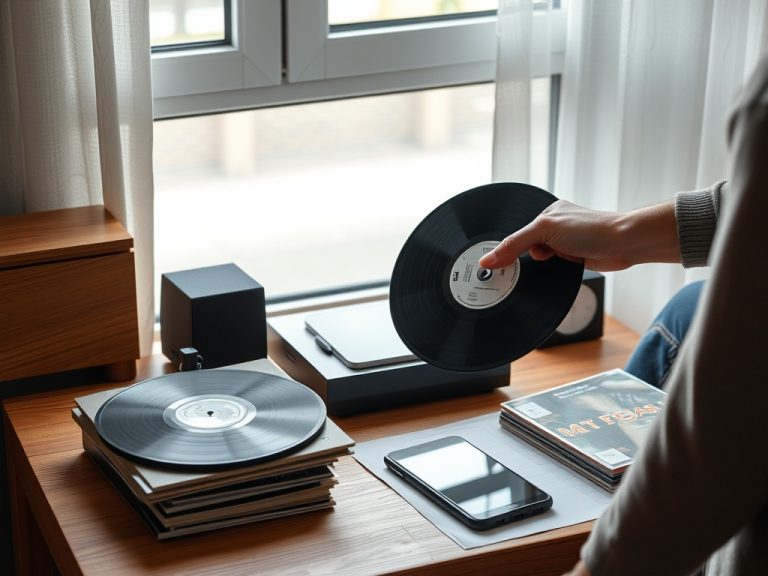
For a format-specific example of avoiding passive recommendation loops, this music listening format guide shows how intentional listening can balance convenience with ownership and attention.
A simple weekly culture system
| Source type | Use it for | How often |
|---|---|---|
| Algorithmic feeds | Fast signals, jokes, fan reactions, emerging clips | Brief daily or a few times weekly |
| Critics and newsletters | Context, interpretation, curated recommendations | Weekly |
| Official sources | Release dates, tour dates, venue details, primary facts | As needed |
| Friends and communities | Personal recommendations and discussion | Weekly or monthly |
| Libraries, archives, venues | Depth beyond trends | Monthly |
This system keeps algorithms in the mix without handing them the whole job. You can still enjoy trending clips and fandom reactions, but you also create lanes for slower, more reliable, and more surprising discovery.
Step two: build a human source shelf
Pick three kinds of human sources. First, choose one critic or publication that regularly challenges your taste. Second, choose one newsletter, podcast, or radio show that introduces you to releases outside your usual genres. Third, choose a friend or community whose recommendations come with reasons, not just links.
Human sources are not automatically better, and critics can have blind spots. The value is that they explain. A critic can describe form, context, performance, influence, or weakness. A friend can tell you why something hit them at the right moment. That explanation trains taste in a way autoplay rarely does.
Step three: separate facts from reactions
Pop culture feeds mix release news, jokes, fan edits, gossip, criticism, marketing, outrage, and misinformation. Before forming an opinion, identify which layer you are seeing. Is it an official trailer, a review, a meme, a rumor, a sponsored post, a fan theory, or a primary statement? Treat each differently.
Pew Research Center has tracked the rise of social platforms as news sources, including the sharp increase in Americans who regularly get news on TikTok in its 2025 TikTok news analysis. Pop culture moves through the same channels, so source-checking is not overkill. It is basic hygiene.
Step four: schedule intentional sampling
Once a week, choose one item from outside your feed: a classic album, a foreign film, a local theater listing, a museum page, a library display, a long-form review, a radio program, or an artist interview. Keep it small. The point is to create a steady escape route from repetition.

You can also rotate themes: one week music, one week film, one week comics, one week theater, one week visual art. If theater is new to you, this Broadway versus touring production guide can help you compare cultural experiences without relying only on buzz.
Common mistakes that shrink taste
The first mistake is confusing familiarity with quality. If a song, actor, meme, or show appears constantly, it may be popular, heavily promoted, controversial, or simply well-suited to the platform. Visibility is not the same as merit. The second mistake is using outrage as a discovery engine. Outrage can introduce you to culture, but it rarely helps you understand it clearly.
The third mistake is following too many sources and reading none well. A smaller, better source mix beats a chaotic feed. Unfollow accounts that make every release feel like a moral emergency. Save sources that teach you how to notice more.
When DIY works and when to seek help
DIY works for building taste: follow better sources, sample widely, take notes, and discuss what you experience. Seek help when you need factual verification, legal or safety information, or deeper context around sensitive cultural issues. Respectful criticism should not rely on rumors, private-life speculation, or invented motives.
The Reuters Institute’s 2025 Digital News Report overview highlights public concern about telling true from false online, which applies beyond politics. Pop culture fans also need to tell marketing, commentary, rumor, and evidence apart.
How to Know Your Culture Diet Is Healthier
A healthier culture feed feels broader and calmer. You can name where a recommendation came from, explain why you tried it, and remember more than the controversy around it. You still catch trends, but you are not dependent on them. You notice local events, older works, smaller releases, and viewpoints outside your usual circle. Most of all, you feel more agency: your feed suggests possibilities, while your curiosity makes the final choice.
Let Your Feed Suggest, Not Decide
A good pop culture system leaves you feeling more curious, not more trapped. Use algorithms for quick discovery, but give critics, friends, archives, libraries, venues, and official sources a real role. Measure success by the range of work you encounter and the quality of your attention.
Start with one change this week: subscribe to one thoughtful source and choose one cultural work outside your feed. Your taste will become more yours when your inputs become more deliberate.