Listening Format Snapshot
- Choose vinyl for a tactile ritual and artwork-first collecting, not for convenience.
- Choose streaming for discovery, portability, playlists, and the lowest friction.
- Choose CDs for durable ownership, predictable playback quality, and used-market value.
- The best choice depends less on abstract sound-quality debates and more on when, where, and how you actually listen.
Vinyl, streaming, and CDs serve different listening goals: vinyl rewards focused, physical listening; streaming wins for access and discovery; CDs sit in the middle as a stable owned format with simple playback. A smart choice starts with your listening habits, then factors in budget, equipment, space, and how much control you want over your music library.
What the format choice is really deciding
The debate is often framed as “which sounds best,” but that question is too narrow. Most listeners are choosing between ownership, access, ritual, portability, and long-term control. A record collection asks for storage, cleaning, a turntable setup, and patience. A streaming library asks for a subscription, internet access, and comfort with catalogs that can change. A CD shelf asks for a player or drive, but gives you a predictable object that is easy to lend, rip, resell, or archive.
The market also shows that these formats are not replacing one another in a straight line. Recent RIAA recorded music revenue reporting shows a streaming-led industry with continued interest in vinyl, while institutions such as the Library of Congress sound preservation program treat audio formats as materials with different preservation needs rather than as simple good-or-bad choices.
That is why a listener building a music life should think beyond hype. The same person may stream new releases during the workday, buy a favorite album on vinyl for weekend listening, and keep CDs for albums they want to own without relying on a platform. If you also want a broader culture diet, pair this article with a guide to following pop culture without algorithmic autopilot.
Side-by-side differences that matter most
| Format | Best for | Watch-outs |
|---|---|---|
| Vinyl | Focused listening, cover art, collecting, room-based rituals | High setup cost, storage needs, surface noise, fragile records |
| Streaming | Discovery, playlists, commuting, shared listening, low-friction access | Catalog changes, subscription dependence, recommendation loops |
| CDs | Affordable ownership, predictable playback, used finds, easy archiving | Player required, less convenient on phones, storage still matters |
The table shows why “better” depends on context. Streaming gives you a massive library at the moment of curiosity, but you may not own anything. Vinyl can make an album feel like an event, but the experience depends on equipment, pressing quality, room setup, and care. CDs are less fashionable in some circles, yet they offer a practical route for people who want physical ownership without the cost and fragility of a growing vinyl setup.
Who each option serves best
Vinyl suits the listener who wants music to slow down
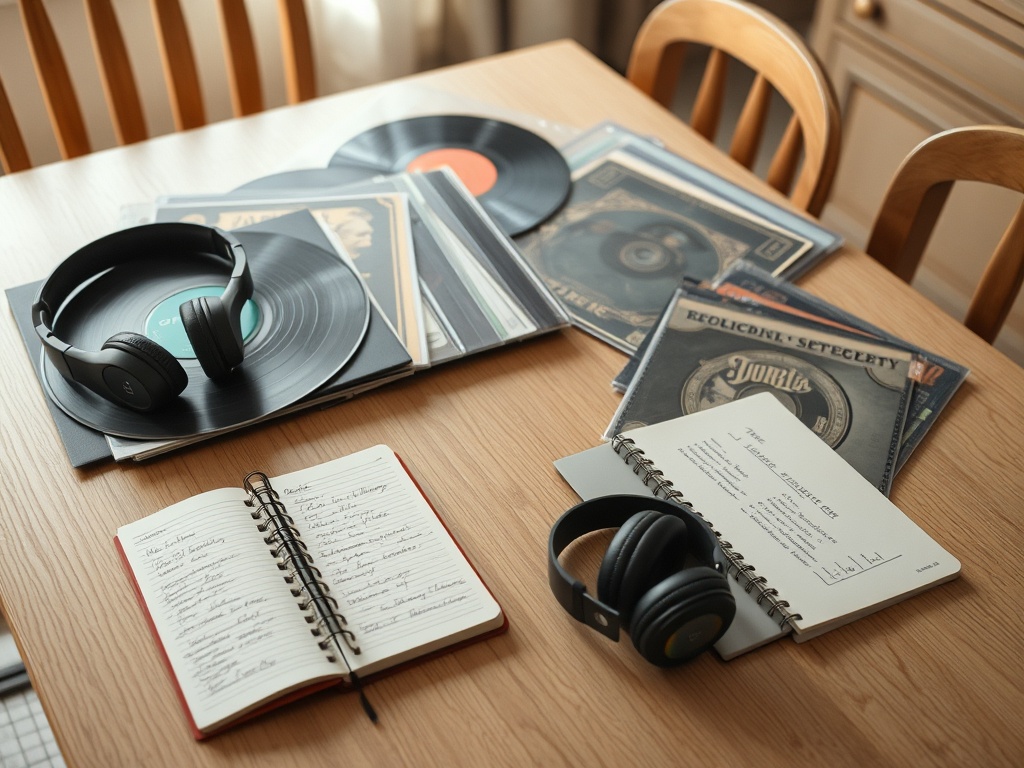
Vinyl works best when the act of listening is part of the pleasure. You pull out the sleeve, handle the record carefully, clean dust from the surface, and listen in sides rather than shuffled fragments. That can encourage album attention. It also makes artwork, liner notes, colored pressings, and limited editions feel central to the experience.
The limitations are real. Entry-level turntables, cartridges, speakers, shelving, cleaning supplies, and replacement parts add up. Vinyl also takes up space quickly, and moving a collection can be difficult. If you are mainly chasing “warmth,” be careful. Some of what people describe as warmth comes from mastering choices, playback chain, room acoustics, and expectation as much as the material itself.
Streaming suits the listener who values access and discovery
Streaming is strongest when you want to compare versions, test a new genre, share a playlist, or listen across devices. It is also useful for beginners who do not yet know which artists, scenes, or albums deserve physical purchases. If you are still shaping your taste, streaming can function as a research tool rather than as a final library.
The risk is passive listening. Autoplay can flatten your curiosity, pushing you toward familiar moods and similar tracks. That is not inherently bad, but it can narrow taste over time. To offset that, build intentional habits: save albums rather than only songs, follow human-curated lists, read credits, and occasionally listen outside recommendations. For another comparison-minded arts choice, see how audience experience changes between Broadway and touring productions.
CDs suit the listener who wants ownership without the vinyl ritual
CDs are often undervalued because they lack the romance of vinyl and the convenience of streaming. Yet they can be excellent for people who want an owned copy, easy playback, and a lower secondhand price. They are also useful for collectors who care about liner notes, bonus tracks, original masterings, or out-of-print editions.
A CD-based setup can stay simple: a compact player, an older stereo system, a computer drive, or a disc-compatible game console may be enough. The bigger question is whether you will actually use discs. If all your listening happens in the car, gym, or phone, CDs may become decorative unless you rip them into a personal library.
Cost, convenience, and longevity trade-offs
Vinyl often has the highest long-term cost because the record is only one piece of the system. Streaming has the lowest upfront friction but becomes expensive over years if you maintain multiple subscriptions. CDs can be inexpensive in the used market, but they require a playback path and a place to live. Long-term value is therefore not just purchase price. It is total cost of ownership, including time, gear, shelving, maintenance, and replacement.
Longevity depends on care. Physical objects can last when stored well, but they can be scratched, warped, misplaced, or damaged by heat and humidity. Digital access feels effortless until licensing changes or a service loses rights. Every medium needs some kind of stewardship.
Decision framework for choosing your main format
Start with your most common listening moment. If you listen while moving, streaming should be the base. If you sit down and play full albums, vinyl or CDs become more attractive. If you care about permanent access, physical ownership or personal digital files should matter more than platform convenience. If you care about social discovery, streaming still offers the easiest sharing layer.
Then ask four practical questions: Do I have a dedicated listening space? Can I afford the equipment without cutting into music purchases? Will I maintain the format properly? Would I be upset if a platform removed a favorite album? Your answers will usually point to a blended system rather than a single winner.
Build a Library You Will Actually Hear
The safest recommendation is not to crown one format. Use streaming to explore, then buy physical copies of the music you return to repeatedly. Choose vinyl when the object and ritual matter. Choose CDs when ownership, affordability, and stable playback matter. Keep your library small enough to enjoy, organized enough to find, and flexible enough to grow with your listening life.
Before spending heavily, borrow gear, visit a record shop, test a CD player, and audit your streaming history. The best format is the one that turns music from background noise into something you intentionally return to.