Camera Setup Reality Check
- Mirrorless cameras are the strongest all-around choice for most new serious camera buyers.
- DSLRs can still make sense for used value, optical viewfinders, battery life, and existing lens collections.
- Smartphones are best for everyday documentation, social sharing, and computational convenience.
- Choose by what you shoot, how much gear you will carry, and whether you need interchangeable lenses.
Mirrorless, DSLR, and smartphone cameras all still make sense, but for different users. Mirrorless is usually the best new-system choice, DSLRs remain valuable for certain budgets and existing lens kits, and smartphones are unbeatable when convenience matters more than full manual control.
The question is not only image quality
Many camera comparisons focus on sensor size and sharpness, but the better question is: what camera will you carry, control, and learn? A powerful camera left at home is less useful than a phone you use thoughtfully. A DSLR bargain can be excellent if you understand lenses. A mirrorless body can be ideal if you need modern autofocus, electronic viewfinders, compact lenses, and strong video features.
Camera makers frame this shift clearly. Canon’s DSLR vs mirrorless guide and Nikon’s mirrorless versus DSLR explainer both describe key handling differences, while industry outlooks from CIPA reflect the market’s ongoing move toward newer camera categories.
If you are also deciding which creative software fits your output, compare digital art tools by workflow because cameras and apps both reward matching tools to actual habits.
Where each setup wins
| Setup | Best for | Main trade-off |
|---|---|---|
| Mirrorless | Hybrid photo/video work, travel kits, fast autofocus, modern lens roadmaps | Higher cost for current bodies and lenses |
| DSLR | Used value, optical viewfinder preference, long battery life, existing lens collections | Shrinking new-product ecosystem and bulkier video workflow |
| Smartphone | Everyday capture, social sharing, computational photography, zero extra bag | Small sensor limits, less lens control, files may be harder to grade deeply |
The smartphone has changed expectations. People now assume a camera should focus quickly, process low light, share instantly, and fit in a pocket. Dedicated cameras still win when you need larger sensors, optical choices, flash control, long lenses, reliable ergonomics, and files designed for editing.
Mirrorless is the safest new dedicated system
For most people buying into a dedicated camera system today, mirrorless is the practical default. You see exposure preview through an electronic viewfinder, autofocus often covers more of the frame, bodies can be smaller, and video features tend to be more central to the design. Mirrorless systems also receive the most active lens development from many manufacturers.
The cost can be painful. A good body is only the start; lenses, batteries, cards, straps, bags, and storage add up. The red flag is buying a high-end mirrorless body with only one slow kit lens when your work actually needs lighting, education, or a better lens more than a newer sensor.
DSLRs remain useful in the right hands
DSLRs are not obsolete for people who understand what they are buying. They can offer sturdy handling, excellent optical viewfinders, long battery life, and strong used-market value. If you already own DSLR lenses, upgrading within that system may be cheaper than switching everything at once.
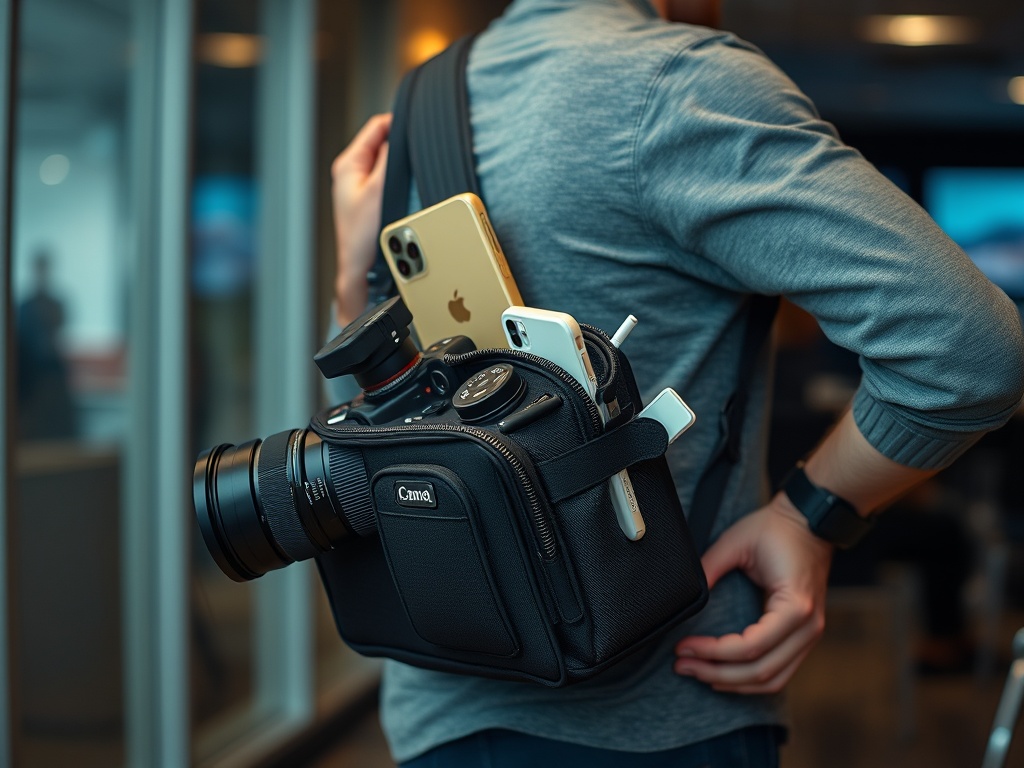
The risk is ecosystem direction. New DSLR bodies and lenses are less central to manufacturer roadmaps, and video-focused users may find mirrorless or smartphones easier. A DSLR is a smart buy when the price is good, condition is clear, shutter count is reasonable, and compatible lenses match your subjects.
Smartphones are cameras for the moments that actually happen
A phone is not “less serious” if your goal is documentation, travel, family, social content, food, street moments, or quick video. Computational photography can produce impressive results with little effort, especially in good light. Phones also reduce the psychological barrier to shooting: no bag, no lens change, no visible pro setup.
The limitations show up when you crop heavily, shoot fast action from far away, use difficult lighting, need optical depth control, or edit files aggressively. If photography is becoming a craft rather than a convenience, a dedicated camera can teach exposure, focal length, timing, and light in a more deliberate way. For creators balancing tech and taste, the format-choice framework for music listening offers a similar way to separate convenience from control.
Lens needs reveal the best answer
Ask what your phone cannot do. If the answer is “true telephoto wildlife,” “clean indoor sports,” “flash portraits,” “shallow-depth commercial work,” or “long-form video with accessories,” you probably need a dedicated camera. If the answer is mostly “I want better vacation photos,” learning light and composition on your phone may help before you spend money.
Also consider carrying tolerance. Some people romanticize cameras but hate carrying them. If that is you, a smaller mirrorless kit or phone-first approach may produce more actual images than a heavy DSLR bag.
Editing Goals Can Change the Winner
If you plan to edit heavily, pay attention to file flexibility. Dedicated cameras often give you raw files with more room for exposure and color correction, while phones may apply strong computational processing before you begin. That processing can be beautiful for instant sharing but less flexible for consistent portfolios. If you mostly post quickly, a phone may be enough. If you print, grade, crop, or deliver client files, a dedicated camera gives you more control.
Do not ignore learning resources. A cheaper camera paired with a basic lighting course, a photo walk, or a print review can improve your images faster than a premium body used on automatic settings. Skill, subject access, and light still matter more than the newest spec line.
Buy the Camera You Will Carry and Learn
Choose mirrorless for a modern long-term system, DSLR for value or existing gear, and smartphone for everyday speed. Do not buy a camera because reviewers praise it in abstract terms. Buy the setup that fits your subjects, hands, bag, budget, and editing workflow.
Before purchasing, rent or borrow a camera for one weekend. Shoot your real subjects, not test charts. The right choice will be the one you reach for without forcing yourself.