You can build nutritious, satisfying meals without calculating every calorie by using a consistent plate structure, adjusting portions through hunger and performance feedback, and choosing foods that provide protein, fiber, useful carbohydrates, and fats. This approach is less precise than detailed tracking, but it can be more practical and sustainable.
Key Takeaways: Start with a protein source, add vegetables or fruit, include a carbohydrate that fits your activity needs, and use a moderate amount of fat. Repeat the structure across meals, then adjust portions based on fullness, energy, training, and weight trends rather than chasing perfect numbers.
Use a Meal Framework, Not a Math Problem
Calorie tracking can teach portion awareness, but it is not required for healthy eating. Many meals can be improved through composition and consistency before exact measurement becomes useful. A plate-based method lowers the daily decision burden and makes it easier to eat well at home, at work, or in restaurants.
The Dietary Guidelines for Americans, 2025–2030 provide the current federal foundation for food and beverage choices. Their purpose is to help people meet nutrient needs and support health through overall eating patterns. The key word is pattern. One meal does not determine health, and one imperfect day does not cancel a generally supportive routine.
Build the Plate in Four Parts
Use four components as a starting template:
1. Protein: poultry, fish, eggs, dairy, beans, lentils, tofu, tempeh, or another suitable option.
2. Produce: vegetables, fruit, or both, with variety across the week.
3. Carbohydrate: whole grains, potatoes, beans, fruit, or another starch suited to appetite and activity.
4. Fat and flavor: nuts, seeds, avocado, olive oil, cheese, dressings, sauces, or naturally occurring fat in the protein.
A common visual starting point is roughly half the plate from produce, a quarter from protein, and a quarter from a carbohydrate source, with fat added in a sensible amount. This is not a medical prescription or a rigid geometry rule. It is a tool for building balance without a calculator.
Anchor Meals With Protein
Protein contributes to fullness and provides amino acids used in tissue maintenance and repair. Active people may find it helpful to distribute protein across meals rather than relying on one very large serving at dinner. The ideal amount varies with body size, age, training, total energy intake, and health status, so a universal gram target is not appropriate for every reader.
Use a practical portion you recognize. That may be eggs and yogurt at breakfast, beans and chicken in a lunch bowl, or tofu and fish across different dinners. Plant-based meals can combine legumes, soy foods, grains, nuts, and seeds across the day.
Strength training creates a reason to pay attention to regular meals, but food does not replace progressive programming. The guide to progressive overload for beginners explains how training stimulus and recovery work together.
Let Fiber-Rich Foods Add Volume
Vegetables, fruit, legumes, and whole grains can increase meal volume while contributing vitamins, minerals, and fiber. Fiber may also support fullness and digestive health. Increase it gradually if your current intake is low, because sudden large increases can cause discomfort.
Frozen and canned produce can be useful. Choose options that fit your budget and cooking access, and pay attention to added sodium or sugar when relevant. Convenience is not automatically a nutritional weakness. Prewashed greens, frozen vegetables, canned beans, and microwaveable grains can make a balanced meal more likely on busy days.
The USDA’s MyPlate resources offer practical food-group guidance and meal ideas. Use them as flexible references rather than a demand for identical meals.
Match Carbohydrates to the Day
Carbohydrate foods support daily activity and can be especially useful around demanding exercise. Portion needs may be higher on long training days and lower on less active days, but eliminating carbohydrates is not a default requirement for health or fat loss.
Choose sources that help you feel and perform well. Oats, rice, whole-grain bread, potatoes, fruit, beans, and pasta can all fit. A person training for endurance may need a larger serving than someone with a sedentary day and a smaller appetite.
Beginners sometimes change exercise and diet too aggressively at the same time. The article on starting exercise when you feel completely out of shape shows why a modest, repeatable plan is often more effective than a complete lifestyle overhaul.
Treat Fats as Concentrated, Useful Ingredients
Fats provide flavor, texture, and essential fatty acids, and they help with absorption of fat-soluble vitamins. They are also energy-dense, which means portions can grow quickly when oils, cheese, nuts, dressings, and sauces are layered together.
You do not need to avoid these foods. Use them deliberately. If salmon, avocado, cheese, and a creamy dressing are all in one meal, the total may be more than you expected even though each food can fit a healthy pattern. The non-counting approach still requires awareness.
Use Fullness and Function as Feedback
A balanced meal should usually leave you comfortably satisfied, not painfully full or hungry again almost immediately. Notice how long the meal supports energy, concentration, and training. If you become hungry within an hour, the meal may need more protein, fiber, fat, or total food. If you regularly feel sluggish and overfull, reduce a portion or simplify the combination.
Weekly patterns matter more than a single reaction. Sleep, stress, hydration, and menstrual-cycle changes can affect appetite. Use several days of feedback before making large changes.
Shop for Combinations, Not Isolated “Healthy” Foods
Plan groceries by meal components. Choose two or three proteins, several produce options, two carbohydrate bases, and a few flavor ingredients. Then combine them in different ways.
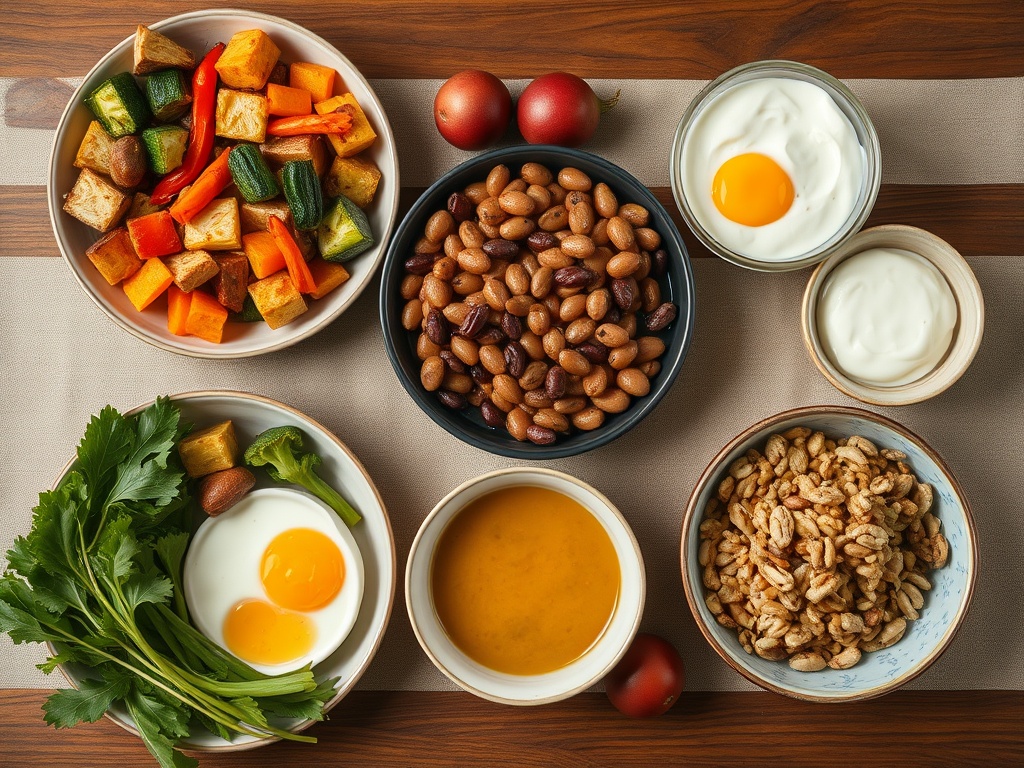
For example, roasted vegetables, rice, chicken, and a yogurt sauce can become a bowl. The same vegetables can go into an omelet. Beans can replace chicken in another meal. Fruit and yogurt can serve as breakfast or a snack. This method creates variety without requiring a completely different recipe every day.
Common Failure Modes Without Calorie Tracking
The first is eating meals that look “clean” but are too small. Chronic under-fueling can reduce training quality, concentration, and adherence. The second is overlooking liquid calories, alcohol, frequent tasting, and calorie-dense extras. The third is using hunger as proof that the plan is working. Persistent hunger often makes consistency harder.
Another problem is giving every meal equal size despite different needs. A light lunch before a demanding afternoon may not be enough. A very large late dinner may reflect under-eating earlier rather than lack of discipline.
Body-composition goals require patience and multiple measures. The explanation of fat loss versus weight loss can help you judge progress without reacting to every scale fluctuation.
Know When Tracking May Still Help
Temporary tracking can be useful when portions remain confusing, a performance goal requires more precision, or a clinician or dietitian recommends monitoring. It can also help identify whether protein, fiber, or total energy is consistently low or high.
Tracking is not appropriate for everyone. People with a history of disordered eating, obsessive food monitoring, or significant anxiety around numbers may need a different approach with professional support. A non-counting framework should reduce mental load, not become another rigid rule set.
Run a Seven-Day Meal Experiment
For one week, build most main meals with the four-part structure. Take a quick note on hunger before the meal, fullness afterward, and energy two hours later. Do not score meals as good or bad. Look for repeatable combinations that work.
At the end of the week, adjust one element. Add more protein at breakfast, increase vegetables at lunch, reduce an oversized fat portion, or add carbohydrates around training. A healthy meal system becomes useful when it is flexible enough to survive ordinary workdays, social meals, and changing appetites.