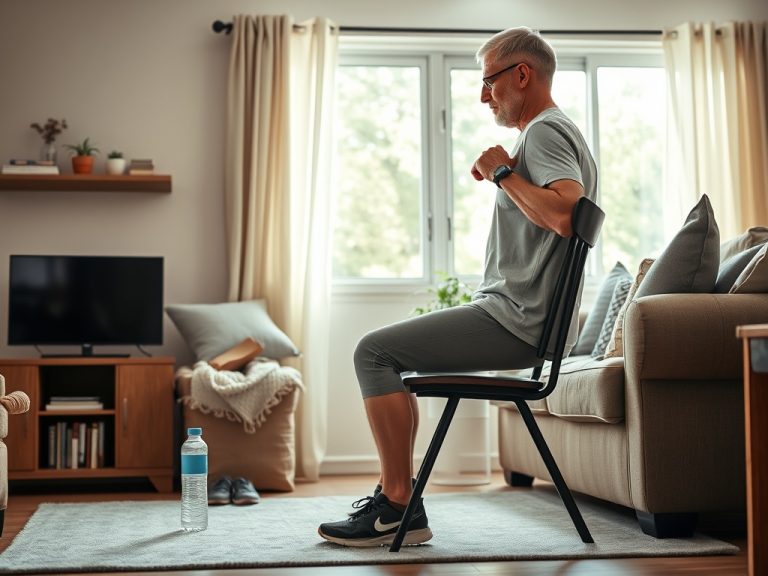
Most active adults should plan for at least seven hours of sleep per night, and many function better with more. Exercise does not create a universal extra-hour rule, but higher training loads, early sessions, stress, and inadequate recovery can increase the need for a larger and more consistent sleep opportunity.
Key Takeaways: Sleep need varies, but regularly getting less than seven hours is insufficient for many adults. Track daytime alertness, mood, training quality, and recovery, not only time in bed. A sleep plan should protect both duration and quality, especially when exercise volume rises.
Start With the Adult Sleep Baseline
The CDC identifies at least seven hours per day as the recommended amount for adults, while also noting that sleep needs change with age and vary between individuals. Its overview of healthy sleep emphasizes both enough sleep and good sleep quality.
Seven hours should not be interpreted as a perfect target for every person. It is a lower boundary used in public-health guidance. Some adults feel and perform best closer to eight or nine hours. Others may spend sufficient time in bed but still wake unrefreshed because sleep is fragmented.
Active adults should begin by protecting a realistic sleep window rather than asking how little sleep they can tolerate. If an alarm ends sleep every day, the required bedtime must be calculated backward from wake time, with time allowed to wind down and fall asleep.
Exercise Can Help Sleep, but It Does Not Cancel Sleep Debt
Regular physical activity is associated with better sleep for many people. It can support sleep pressure, mood, and daily rhythm. However, a hard workout does not compensate for repeated short nights. Training adds a recovery demand, and sleep is one of the periods when the body coordinates tissue repair, immune function, learning, and hormonal regulation.
An active person may feel temporarily alert after caffeine or exercise despite inadequate sleep. That alertness does not prove full recovery. Look at trends in reaction time, irritability, motivation, appetite, coordination, and performance.
The CDC adult physical activity guidance includes aerobic and muscle-strengthening goals, but those targets should be built around a schedule that leaves enough time for recovery. More exercise is not automatically better when sleep is steadily shrinking.
Separate Sleep Quantity From Sleep Quality
Sleep quantity refers to duration. Sleep quality refers to continuity, timing, depth, and how restorative sleep feels. A person can be in bed for eight hours but sleep much less because of long sleep onset, frequent awakenings, caregiving, pain, noise, hot flashes, alcohol, or a sleep disorder.
Useful questions include:
- Do you wake before the alarm feeling reasonably restored?
- Do you struggle to stay awake during routine daytime tasks?
- Is your sleep schedule highly different on workdays and weekends?
- Do you wake repeatedly or have difficulty returning to sleep?
- Has someone noticed loud snoring, gasping, or breathing pauses?
A wearable may estimate sleep timing, but it cannot replace a clinical assessment. Treat device data as a trend, especially when it conflicts with persistent symptoms.
Training Load Changes the Recovery Conversation
A recreational walker doing three moderate sessions per week may recover well with a different routine than an endurance athlete training twice a day. The need for sleep opportunity can rise when total volume, intensity, or life stress increases.
Strength training also depends on recovery between sessions. The explanation of progressive overload for beginners shows why increasing workload without considering recovery can blur the training signal.
Watch for a cluster of changes rather than one bad workout: declining performance, persistent soreness, reduced enthusiasm, elevated perceived effort, frequent illness, disrupted sleep, and mood changes. These signs are not a diagnosis, but they suggest the training and recovery balance needs review.

Build a Sleep Opportunity That Matches Wake Time
Choose a consistent wake time first because morning commitments are often less flexible. Then create a sleep opportunity of roughly eight hours or more if your current pattern is short. Include a wind-down buffer rather than expecting to shift from work, bright screens, or intense conversation directly into sleep.
A simple evening sequence can include dimmer light, preparation for the next morning, hygiene, and a quiet activity. Keep the room cool, dark, and quiet when possible. If household or work conditions make ideal sleep impossible, protect the parts you can control and avoid treating imperfect conditions as a reason to abandon the routine.
People who exercise early often sacrifice sleep to preserve the workout. During a short-sleep period, reducing the session may be more productive than repeatedly waking earlier. The article on starting exercise from a low fitness baseline reinforces the value of a dose that can be recovered from.
Time Caffeine and Intense Exercise Deliberately
Caffeine can improve alertness and exercise performance, but it can also delay sleep or reduce sleep quality in sensitive people. The effect varies with dose, timing, habitual use, and individual metabolism. If sleep is difficult, move caffeine earlier and reduce the amount rather than assuming the morning cup is the only relevant exposure.
Evening exercise is not universally harmful to sleep. Many people sleep well after moderate evening activity. Very intense or prolonged sessions close to bedtime may be stimulating for some individuals. Test timing systematically and avoid changing caffeine, training, meals, and bedtime all at once.
Use Naps as a Tool, Not a Substitute
A short nap may improve alertness when nighttime sleep was limited. Longer naps can be useful in some schedules but may leave temporary grogginess or reduce sleep pressure at bedtime. Shift workers and athletes with unusual schedules may use naps strategically.
A nap does not fully erase chronic insufficient sleep. If naps are needed every day to function, review nighttime opportunity and possible sleep problems. Persistent excessive sleepiness deserves medical attention, particularly when driving or operating equipment is involved.
Know When Sleep Problems Need Evaluation
Talk with a healthcare professional if you regularly cannot fall asleep, wake repeatedly, experience loud snoring or gasping, have uncomfortable leg sensations, feel dangerously sleepy during the day, or remain unrefreshed despite adequate time in bed. Sleep apnea, insomnia, medication effects, pain, hormonal changes, and other conditions may require assessment.
The CDC’s adult sleep facts page tracks short sleep as a public-health concern. Individual symptoms matter even when a person technically reaches seven hours.
Exercise selection may also need adjustment while sleep is being addressed. Lower-intensity walking can preserve a routine with less recovery demand than frequent hard running. The guide to walking versus running can help match aerobic work to current capacity.
Judge Sleep by Daytime Function and Training Trends
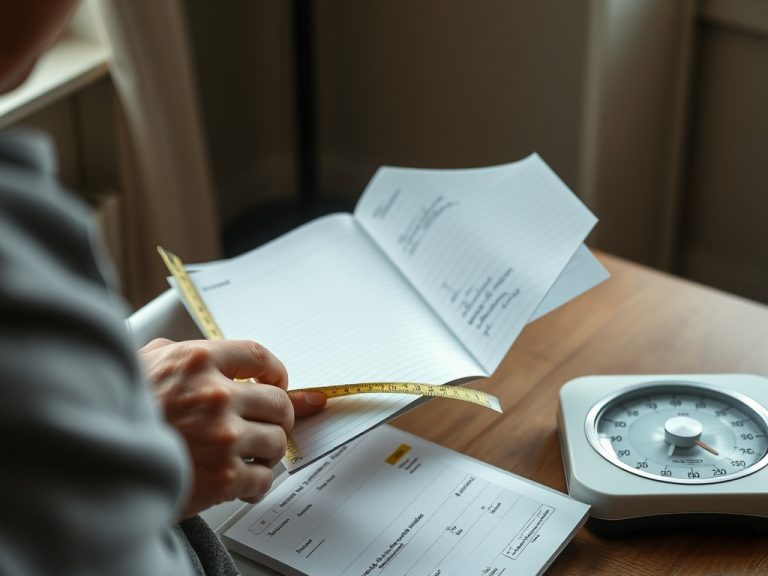
For two weeks, record bedtime, estimated sleep time, wake time, caffeine timing, exercise intensity, and a morning recovery rating. Keep the notes brief. The purpose is to find patterns, not create another performance score.
If you regularly get less than seven hours, first increase sleep opportunity. If duration appears adequate but daytime function remains poor, examine quality and seek help when needed. Active adults do not need a magical sleep number, but they do need enough consistent, restorative sleep to support ordinary life and the training they choose to add.