
Painter’s Medium Selector
- Oil rewards blending, depth, and slow work, but it needs ventilation, drying time, and careful cleanup.
- Acrylic is flexible, fast-drying, affordable, and beginner-friendly, though it can dry faster than some painters want.
- Gouache is portable, matte, and illustration-friendly, but finished surfaces can remain water-reactive.
- Choose by working speed, subject matter, studio setup, budget, and how finished pieces will be stored or displayed.
Oil, acrylic, and gouache are not simply beginner-to-advanced steps. They are different tools for different working speeds, surfaces, budgets, and finished looks, so the right medium is the one that supports how you want to paint.
Start with working behavior, not reputation
Oil paint is often treated as the prestige medium because of its long museum history, but that does not make it the right first choice for every artist. Acrylic can be ideal for rapid study, layering, and mixed-media experimentation. Gouache can be excellent for sketchbooks, design studies, matte illustration, and color planning. The practical choice is about behavior: how long the paint stays workable, how it layers, how it dries, and how forgiving it feels.
The National Portrait Gallery’s painting media guidance notes different handling qualities across traditional media, while the Tate glossary entry on gouache defines gouache as opaque water-soluble paint. Those details matter because a medium’s chemistry shapes your pace and your tolerance for revision.
If you are also weighing digital and traditional art workflows, this comparison of Procreate, Photoshop, and Clip Studio Paint can help you see how tool behavior changes practice.
The practical comparison for studio use
| Medium | Best strengths | Main limitations |
|---|---|---|
| Oil | Slow blending, luminous layering, rich surface, long open time | Slow drying, solvent or medium management, ventilation needs, higher setup cost |
| Acrylic | Fast drying, low odor, flexible surfaces, easy cleanup, affordable studies | Can dry too quickly, color may shift as it dries, less natural blending time |
| Gouache | Matte finish, portability, opaque coverage, easy reactivation, strong design control | Water-reactive surface, delicate finish, less ideal for heavily handled pieces |
This table also shows why a single “best medium” claim is misleading. A portrait painter who wants soft transitions may love oil. A muralist, classroom student, or mixed-media artist may reach for acrylic. An illustrator building small color studies may find gouache faster and clearer than either.
Oil painting fits patient builders
Oil is strongest when you want time. Because it stays workable, you can blend skin tones, skies, fabric folds, and atmospheric passages gradually. You can also scrape, glaze, scumble, and revise in ways that reward patience. For artists who like to think through a painting over days or weeks, oil can feel spacious.
The trade-offs are setup and cleanup. Traditional oil practice may involve solvents, mediums, rags, ventilation, and careful disposal. Water-mixable oils reduce some friction but still require respect for drying time and materials. Finished works also need curing time before varnishing. Beginners can use oil, but they should start with a limited palette, small panels, and a safe workspace rather than buying a huge studio kit.
Acrylic rewards speed and experimentation
Acrylic is often the most forgiving practical choice for learners because it dries quickly, cleans with water while wet, works on canvas, paper, board, and many prepared surfaces, and supports layering. It is useful for studies, graphic shapes, underpaintings, mixed media, and bold color changes. If a painting goes wrong, you can often let it dry and cover it.
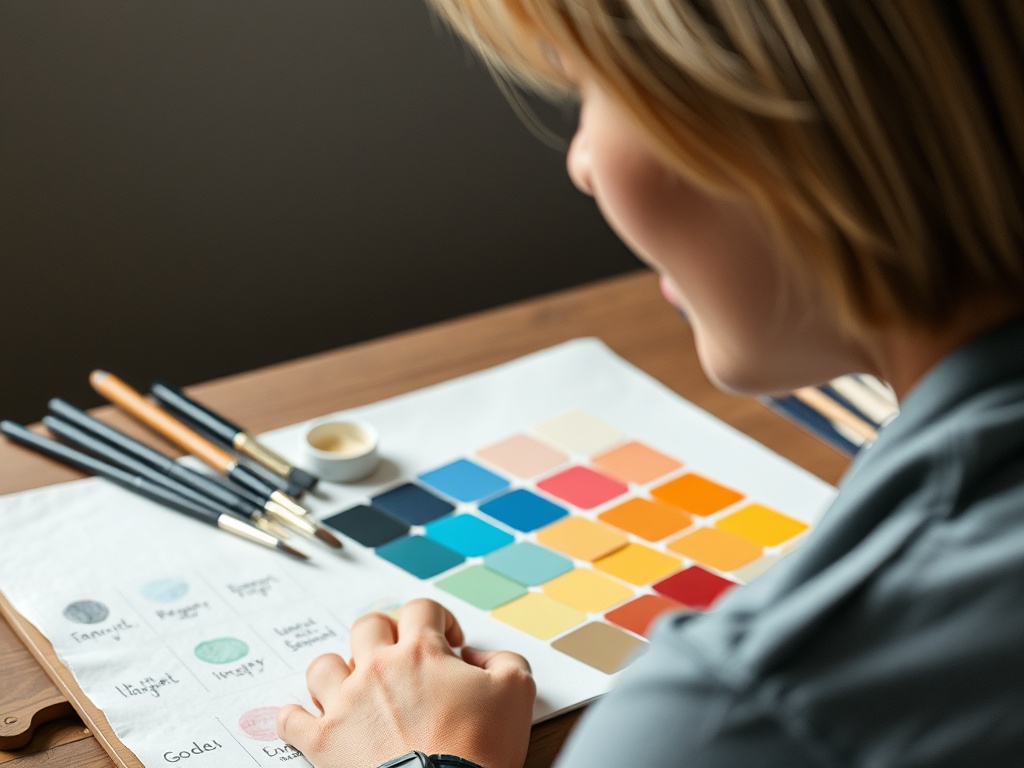
The same speed can be frustrating. Blending large smooth transitions takes planning, retarders, misting, or faster hands. Acrylic can also encourage overworking because corrections are so easy. To make acrylic feel less frantic, work with smaller palettes, pre-mix key colors, and use the drying behavior as part of the style rather than fighting it on every stroke.
For artists comparing medium to audience experience, the Broadway and touring production comparison offers a useful parallel: the setting and material conditions shape the final result.
Gouache is small, matte, and direct
Gouache is loved by many illustrators because it offers opaque color in a portable, water-based form. It can be used flat and graphic, or softened with more water. Its matte finish photographs well, which makes it attractive for sketchbooks, design work, thumbnails, and color studies.
Its weakness is permanence under moisture. Dried gouache can lift again when wet, which is useful for corrections but risky for layering and handling. It is not usually the best choice for paintings that will be touched, varnished casually, or displayed without protection. Artists who want gouache-like behavior with more durability may compare it with acrylic gouache, though that behaves differently because it dries water-resistant.
Budget, storage, and finished-piece planning
Acrylic usually has the lowest-friction setup for most beginners: tubes, brushes, palette, water container, surface, and cleanup cloths. Gouache can be similarly affordable, especially for small work. Oil can start modestly, but quality surfaces, mediums, ventilation supplies, and longer drying storage can raise the practical cost.
Also think about the final destination. Sketchbook studies, editorial color comps, and design thumbnails do not need the same durability as framed wall art. If you plan to sell, ship, scan, or exhibit work, research how each medium should be sealed, framed, packed, and described. Do not promise archival permanence unless you understand the materials and have used suitable surfaces.
Run One Small Test Before Buying Big
Before investing in large tubes, premium brushes, or a full studio setup, paint the same simple subject three times: one in oil, one in acrylic, and one in gouache. Use similar colors and a modest surface. Track drying time, cleanup, frustration points, and which version you wanted to continue. That test is more honest than any product review because it exposes how the medium fits your hands, room, schedule, and patience.
Select the Medium That Matches Your Pace
Choose oil if slow development and subtle transitions matter most. Choose acrylic if you need a flexible, fast, low-odor studio practice. Choose gouache if you want portable opaque color with a matte illustration feel. The red flag is buying a medium for status rather than for your actual working conditions.
Start with a small test project: one still life in each medium, using a limited palette and the same subject. Your favorite will become obvious not by how it sounds in theory, but by which one makes you want to paint again tomorrow.