Animation Appreciation Starting Point
- Begin by treating animation as a technique, not a genre or age category.
- Watch across shorts, features, television, experimental work, anime, stop-motion, and visual effects-adjacent projects.
- Notice movement, design, timing, sound, framing, and emotional rhythm before judging only plot.
- DIY viewing works well; seek curated programs, classes, or criticism when you want historical or technical depth.
To appreciate animation beyond the “kids content” assumption, start by treating animation as an artistic method rather than a genre. Then watch a wider range of work, pay attention to craft choices, and separate personal taste from what the medium is capable of doing.
Step one: change the category in your head
Animation is not automatically comedy, family entertainment, fantasy, or children’s programming. It is a way of making moving images. That means it can carry memoir, horror, documentary, satire, romance, abstraction, political commentary, music video, advertising, and experimental art. The “kids content” assumption narrows your attention before the work has a chance to speak.
The British Film Institute describes animation as a unique art form in its history of British animation program, while the Academy Museum of Motion Pictures frames moviemaking broadly as art, science, and craft. Those perspectives help position animation within film culture rather than outside it.
If you already compare tools for image-making, this digital art tool guide can make animation’s craft choices easier to recognize.
A beginner-friendly viewing process
| Step | What to do | What it teaches |
|---|---|---|
| 1 | Watch one short animated film before a feature | Concise craft, movement, and visual economy |
| 2 | Compare two techniques, such as stop-motion and 2D | How materials change motion and texture |
| 3 | Rewatch a scene without focusing on dialogue | Timing, gesture, staging, and sound design |
| 4 | Read one credible note or interview after viewing | Context without letting explanation replace observation |
This process keeps you from turning appreciation into homework. You are building attention, not memorizing trivia. Animation rewards repeat viewing because small choices in timing, spacing, expression, and background design can change how a scene feels.
Step two: separate technique from target audience
A project may be designed for children and still be formally sophisticated. Another may be aimed at adults and still be visually lazy. Audience category is not the same as artistic value. Instead of asking, “Is this for kids?” ask, “What does animation allow this work to show that live action would handle differently?”
Look for exaggeration, compression, impossible camera movement, graphic design, color symbolism, metamorphosis, and expressive body language. Animation can make internal states visible in ways that live action often cannot. This does not make it superior; it makes it different.
Step three: sample across forms
A narrow sample reinforces narrow assumptions. Try a stop-motion short, a hand-drawn feature, an anime series, an experimental music video, a documentary using animated sequences, a visual-effects-heavy hybrid, and a student short. Notice how each uses motion differently. Stop-motion may foreground material texture. 2D may emphasize line and graphic rhythm. 3D may lean into camera movement, lighting, and spatial detail.
Do not force yourself to like every style. Appreciation does not mean universal praise. It means you can describe what a work is attempting before deciding whether it succeeds for you.
Step four: learn the language of movement
Animation appreciation improves when you notice timing and spacing. Timing is how long an action takes; spacing is how positions change between moments. A character turning slowly, snapping into a pose, floating, dragging, or overshooting a movement can communicate weight, mood, age, fear, confidence, or comedy.
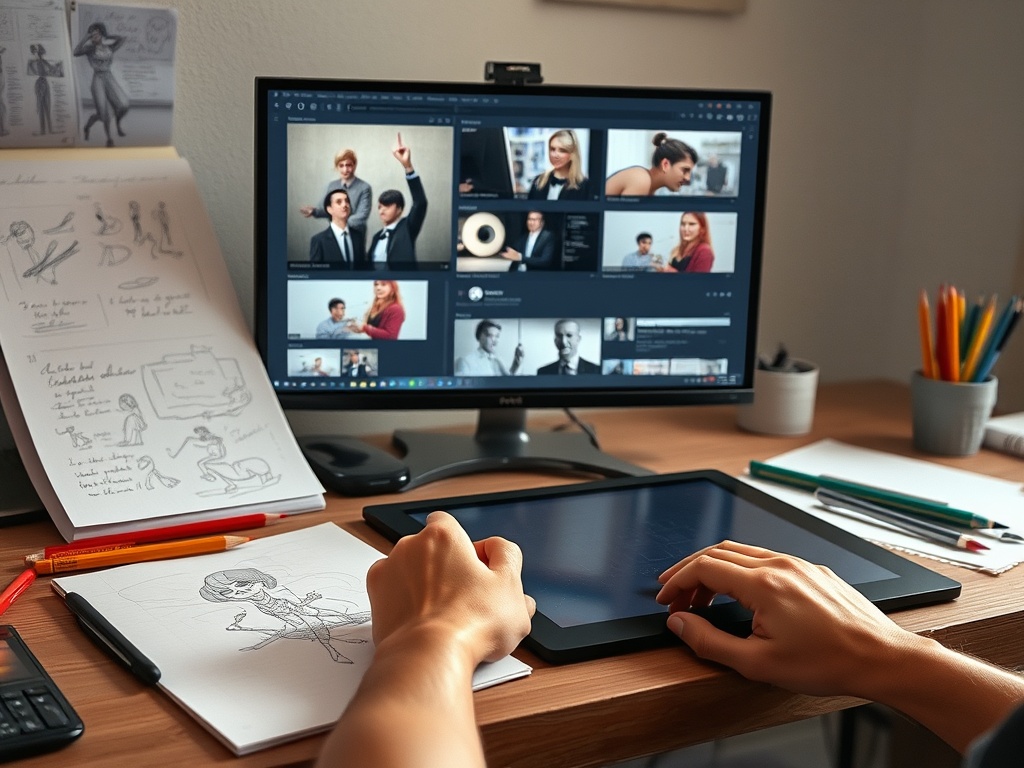
Sound matters too. Music, silence, Foley, voice performance, and rhythm can make drawings, puppets, or digital models feel alive. If you read comics or manga, this guide to reading flow in sequential storytelling can help connect still-image pacing to animated motion.
Common mistakes when starting
The first mistake is judging animation only by realism. Realistic movement can be impressive, but stylized movement may be the point. The second mistake is treating one national style, studio, or franchise as the whole medium. The third is dismissing popular work because it is accessible. Accessibility and craft can coexist.
Another mistake is over-relying on online rankings. Lists can help you find starting points, but they often compress different cultures, periods, and techniques into a false ladder. Use lists as maps, not as verdicts.
When DIY works and when guidance helps
DIY viewing works when your goal is broader taste. Pick a theme, watch three short works, and write a few notes about technique, mood, and audience. Guidance helps when you want historical context, production knowledge, or critical vocabulary. University lectures, museum programs, festival notes, and reputable criticism can show you how animation fits into film, design, labor, and technology.
Media literacy also matters because algorithms may keep offering the same style once you show interest. UNESCO’s media and information literacy resources are useful for thinking critically about recommendation environments, not just news.
How to Measure Better Appreciation
Progress is visible when your comments become more specific. Instead of saying only “that looked good,” you might notice how a character’s pose carried emotion, how a background simplified the mood, or how sound made a small movement feel heavy. You may also become more comfortable saying, “I respect the craft, but this style is not for me.” That distinction is a sign of stronger viewing, not weaker enthusiasm.
Keep a short watch journal with three prompts: what moved differently, what emotion the design supported, and what would have been harder in live action. These notes train you to see animation as craft rather than as a category you either accept or reject.
Make Your Watchlist Wider Than Your Assumptions
A good result is not that you suddenly love all animation. It is that you can recognize animation as a flexible art form and explain why a work’s visual choices affect you. Start with short films, compare techniques, rewatch scenes, and read a little context after your own first response.
The next time someone says animation is only for children, you will have a better answer: some animation is made for children, some is not, and the medium itself is far bigger than that label.